

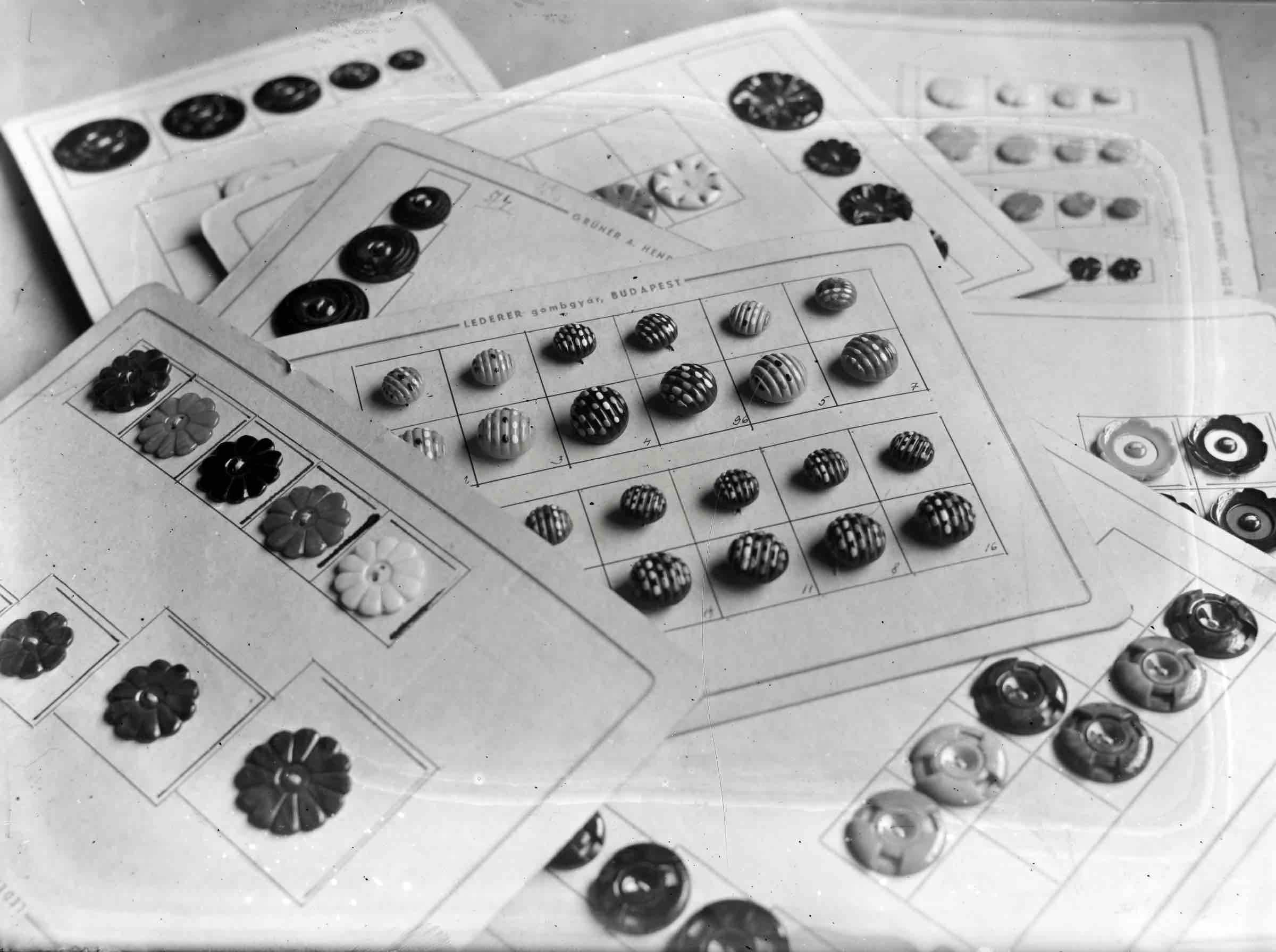
Anyone who isn’t completely immune to the charms and crazes of fashion can flip through their wardrobe like an album: each piece a decision, a self-image, a chapter of life. So many memories of moments when something felt exciting, even irresistible: a sample sale in New York, a boutique in Paris or Vienna, an outlet near Hamburg.
How often have you rationalized reasons and recalculated the budget, when at the end of the day it was really just about desire? How thrilling a yarn color was, a fabric innovation, a silhouette, a zipper, a Velcro strip, a tag! All the little bags with the spare buttons, brand-name hangers, suit bags, sturdy boxes, dust covers—what stories do they tell?
There were things that — didn’t you feel it already when trying them on? — proved to be nothing but pretensions, bought for occasions that never came. But also items that were just right and remained so, yet could never be reordered because the next trend had taken over.
What’s left of the excess, of all the irresistible attractions and identity propositions? Is fashion out of place in tough times? Does its allure eventually fade with age? Or is it actually the other way around and particularly important today to feel contemporary? Do people desperately need the urban game of presenting more elegant, cooler, more refined versions of themselves, the slight stepping over the line, to feel alive?
When I began reading the New York Times’ fashion pages in the light-hearted year of 1998, having come from Germany, I could hardly believe how seriously fashion was treated and how thoughtfully it was written about. The supposed surface industry – a topic for cultural research!
Later, with the “material turn,” I learned that fashion encompasses far more than just images. It’s about engaging all the senses—touch, even what you hear—about fabrics and cuts that produce a wearing experience that can actually change people, however slightly.
It is also true, however, that the very designers who were capable of such magic – Yohji Yamamoto, Helmut Lang – would hardly have the chance today to build a global brand in their own name. The pace has become frantic, and unsustainable production conditions are casting a shadow over inferior goods.
Is it, then, time to turn away from fashion and toward clothing — toward the feel of fabrics, meticulous tailoring, and cuts that forgive: mended and lived-in? While cleaning up my closet, I’m struck by the idea of a simple and therefore versatile wardrobe that’s kept fresh and varied only by changing accessories. But will that be enough? Even while sticking to the essentials, isn’t it irresistible when people dress attentively, mindful of subtle details, and when beauty is celebrated?
Yes, I still feel a fondness for this mad industry that injects aspiration, exhilaration, and celebratory moments into everyday life. And yet I’m increasingly uninterested in shifting styles and increasingly drawn to elemental pieces—garments that come from faraway places, from old weavers, from islands and mountains.
I well remember many of my shirts, each in a certain time, my Tango period, the time spent with a certain girl, buying a Donna Karan Shirt in the Lafayette Galleries; or one of my wedding ties one of my sons still wears today. But I would not restrain this memory function to fashion alone; I am triggered by a certain wine bottle standing on your shelf; I still have an old Nescafé-Box from my world travel 25 years ago. Sometimes I try to promote the idea to write your Memoires through such pieces: the chapters could read as "Zürcher Geschnetzeltes"; "The brown shirt from Verona", "Sneakers I wore for ten years" and so on. An artist friend of mine comes to to our house since 18 years every year and lights up all our shoes and you have now a timeline in shoes, from my baby boys shoes to my dancing ones. Fashion is fabric-congealed very personal habitus in a certain culture.